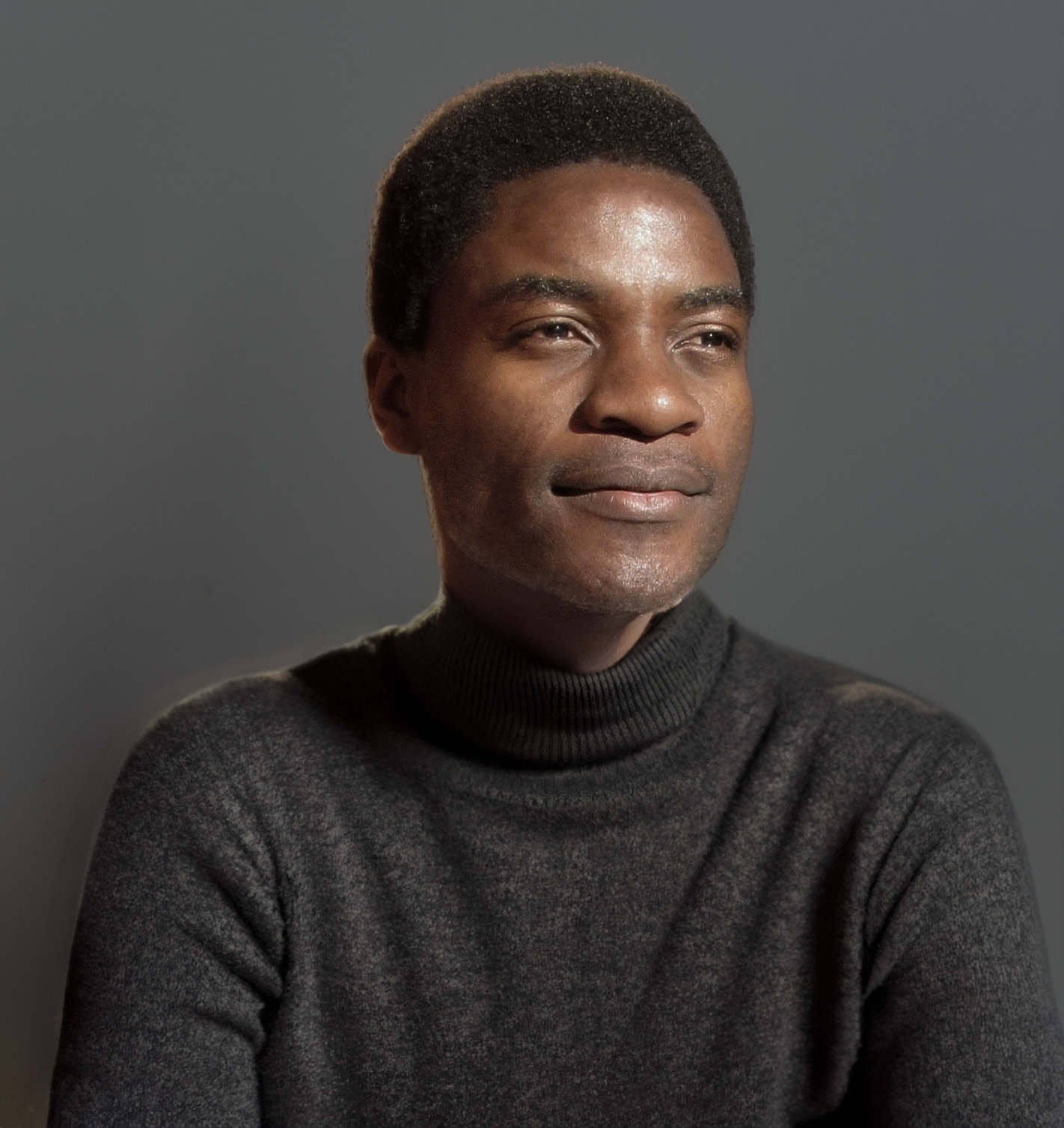
 Joram Mutenge
Hooked on external validation
The writer Nassim Taleb once said, “The three most harmful addictions are heroin, carbohydrates, and a monthly salary.” I agree, but I would add a fourth: external validation.
There is something uniquely satisfying about being recognized for your hard work. It feels good when someone acknowledges your effort, but it feels even better when that recognition comes from a stranger. Praise from people who have no obligation to encourage us can feel especially meaningful.
Admitting that you are driven by external validation is almost shameful, which is why most people rarely come out clean an say “I love external validation.” Yet the truth is that many of us are motivated by it. I know I am. Very few people would continue doing something for long if no one ever said, “Good job,” or offered some kind of reward for their achievement. We like to think we are completely self-motivated, but most of us crave recognition more than we care to admit.
Many of us aspire to live by an inner scorecard. We want to pursue goals because they matter to us, not because others approve of them. But that is easier said than done. One thing I have learned is that the people who encourage us to seek internal validation are often those who have already achieved success. That’s why you hear people like Warren Buffett talk about the inner scorecard, a framework for measuring success according to one’s own values and standards rather than public opinion or social status.
For someone like Buffett, or even Elon Musk, this mindset may come naturally given their status. Most of us, however, rely on external validation. We are hooked on this powerful drug. It gets us out of bed in the morning and keeps us moving forward throughout the day. We want to matter. We want our work, our art, and our ideas to be appreciated. We want someone to tell us that we are talented, intelligent, or creative. We want to hear that our idea was brilliant. In many ways, that desire for recognition is the fuel that keeps us going.
I have abandoned more than a few projects because they received little or no validation. Why continue working on something when no one seems to appreciate it? I’m not ashamed to admit that I seek external validation. In fact, I’m heavily dependent on it. Sometimes it seems that the only cure is success itself.
Would someone like Elon Musk still need external validation? I’m not sure. Part of me believes he is too successful to care about what others think. Yet another part of me wonders whether success merely increases the appetite for praise. Perhaps achievement is not the escape from external validation that we imagine it to be. If validation behaves like other addictive substances, the more we get, the more we want. And if that’s true, many of us may remain lifelong addicts, endlessly chasing a drug that can never fully satisfy us.